-1.png?width=500&height=500&name=LJI_MAINLOGO_WhiteBackground%20(1)-1.png "love-justice.png")

She was 16, from a family that couldn't meet basic needs, walking across her country’s border with a stranger who had promised to marry her.
That's what our monitors saw first. What they saw next, over the course of four hours, was Sita* coming to believe, in her own words, that she would have been trafficked.
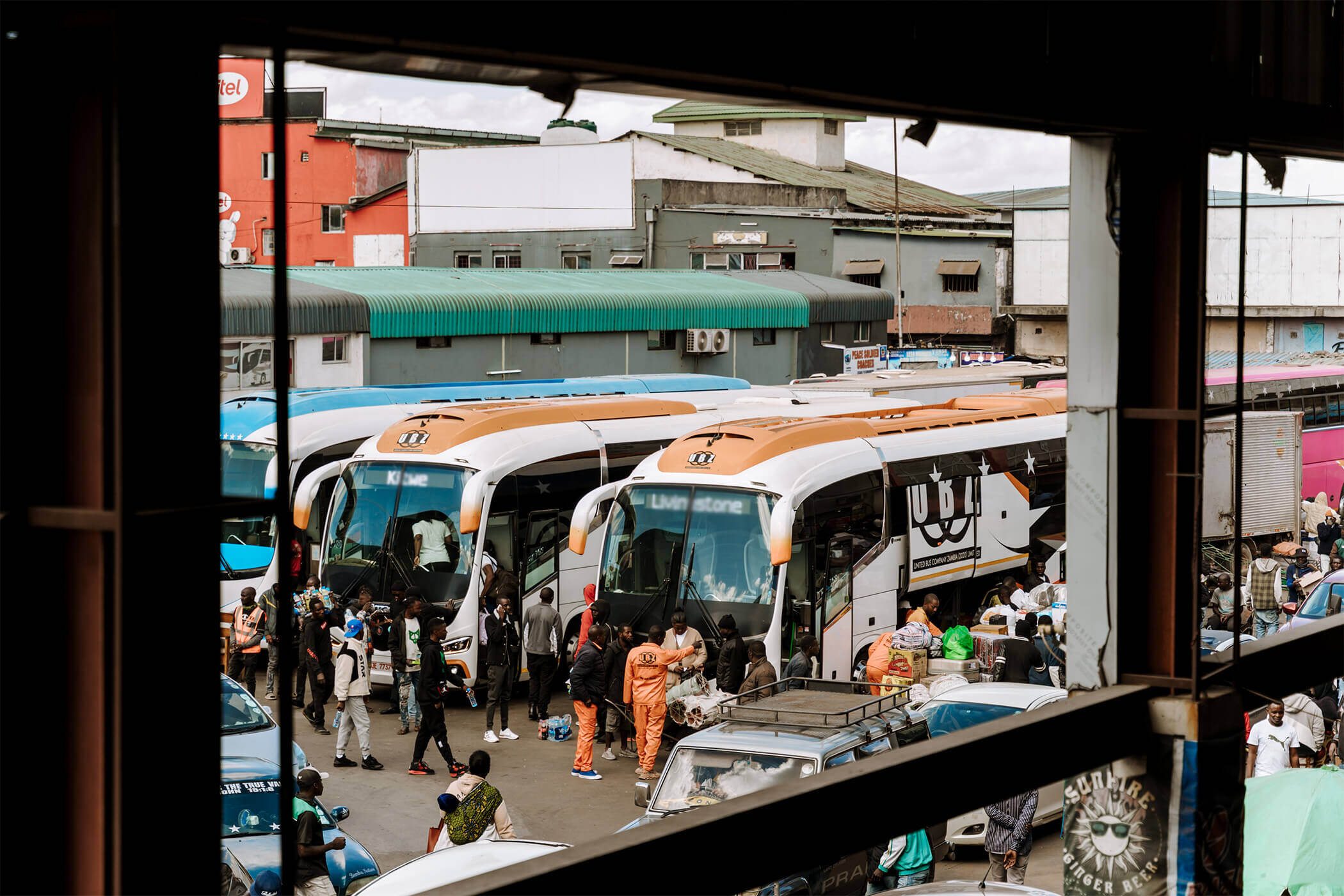
Something happens at the border stops and bus stations where our teams work—something that doesn't quite fit the word rescue. Our monitors intercept people, yes. But before anyone is sent home, they sit with them. Sometimes for two hours. Sometimes for six. In one recent case, for twenty-two at a bus station in South Asia.
And by the end, again and again, the same thing happens: the person we intercepted comes to see, themselves, what was about to happen.
Sita*: A Situation Designed to Look Like Love | South Asia
He had found her through mutual friends, paid for everything, and moved her toward a different country without her family knowing she was gone. Sita came from a family that struggled to meet basic needs, and he had offered her the one thing that can make a young woman feel like she is being rescued rather than taken: the promise of a future with someone who loves her.

Monitors recognized it immediately: a minor with a near-stranger near an international border. No documentation or anyone at home who knew where she was. When staff questioned them, the suspect's story and Sita's story pulled apart at every seam.
Over four hours, our team worked with her carefully and honestly. By the end, she understood the danger she had been in. She said, herself, that she believed she would have been trafficked. Before a family member came to take her home, staff shared the gospel with her.
She had been pulled back from a situation designed to look like love—and built like a trap.
Fatmata*: When the Trap Comes Through Good Intentions | Sierra Leone
Sita's story is not the only one where love—or the appearance of it—was the mechanism. But love isn't the only trust traffickers use. Sometimes it's the trust of family itself.
Fatmata* was 15, being moved from Sierra Leone across the border into Guinea for domestic work.
The recruiter hadn't come from outside the family. The offer had come through them—the people who loved her, the people she trusted most. They had not meant to put her in danger. In fact, they had believed that they were helping.
But our trained monitors were able to identify red flags. They could not verify the job in Guinea and uncovered that the suspect had paid for all her travel. Fatmata didn’t have relevant experience or documentation. And without a safety net on the other side, monitors saw the pattern quickly.
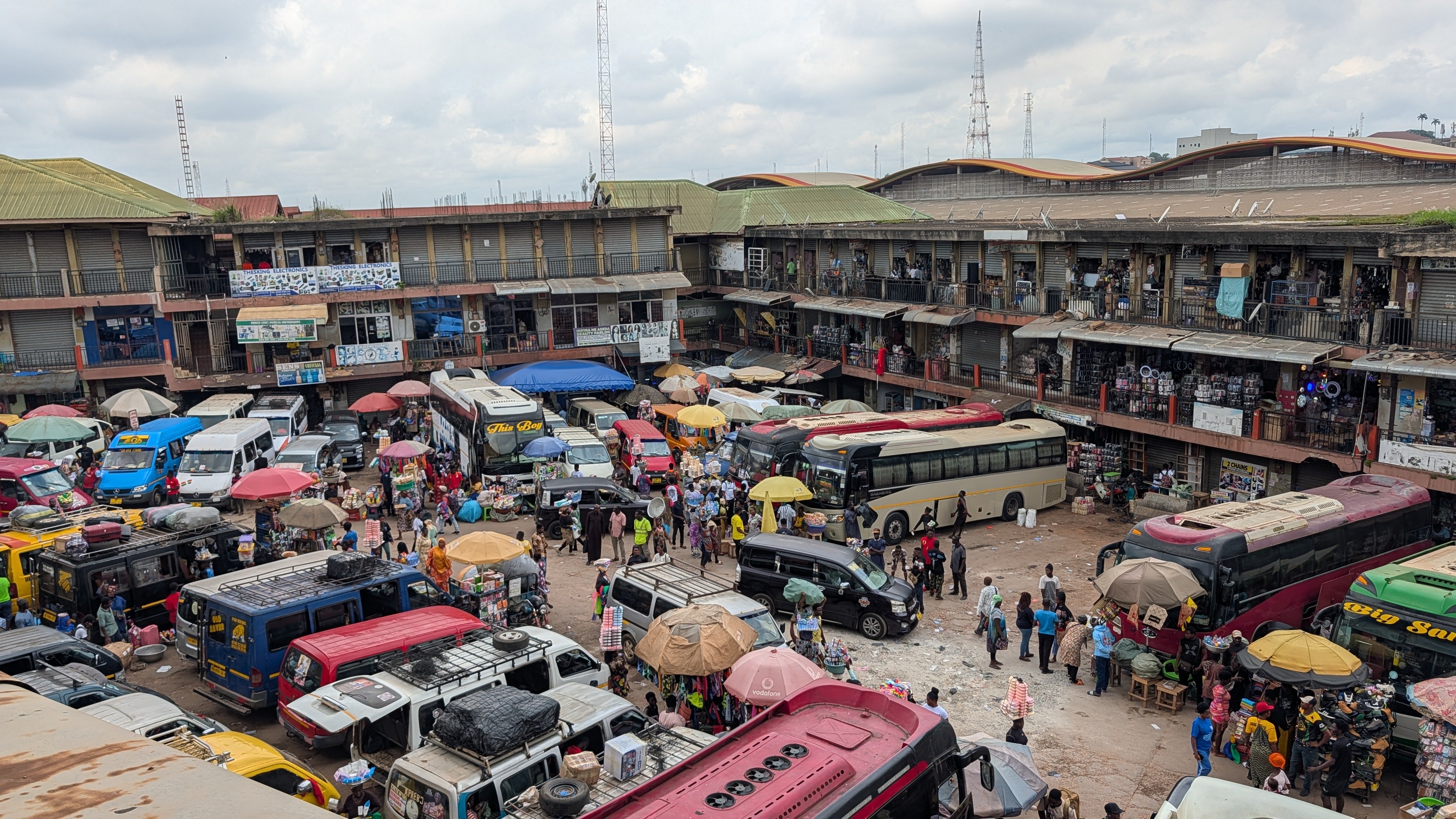
After speaking with staff, Fatmata said she believed she likely would have been trafficked. And somewhere in that conversation was a grief more complicated than fear—the realization that the path toward exploitation had been opened by the hands of people who loved her.
Staff spent two hours with her, explained what had almost happened, and arranged for her to be taken safely home where her family would share in the education that Fatmata received about the dangers of trafficking and common deceptions used by its perpetrators.
Fatu*: The Architecture of a Debt Trap | Liberia
Sometimes what pulls someone across a border isn't love or family. Sometimes it's the promise of money and the hope of a better life.
Fatu* was 31, standing alone in a Monrovia parking lot in the early morning, waiting for transport, looking confused. Monitors noticed her and walked over.
Her story came out slowly. A man had offered her a cooking job for $300 a month, which our monitors flagged as double the normal rate in the area. He had paid for her transport, but there was a condition: she would have to repay him.
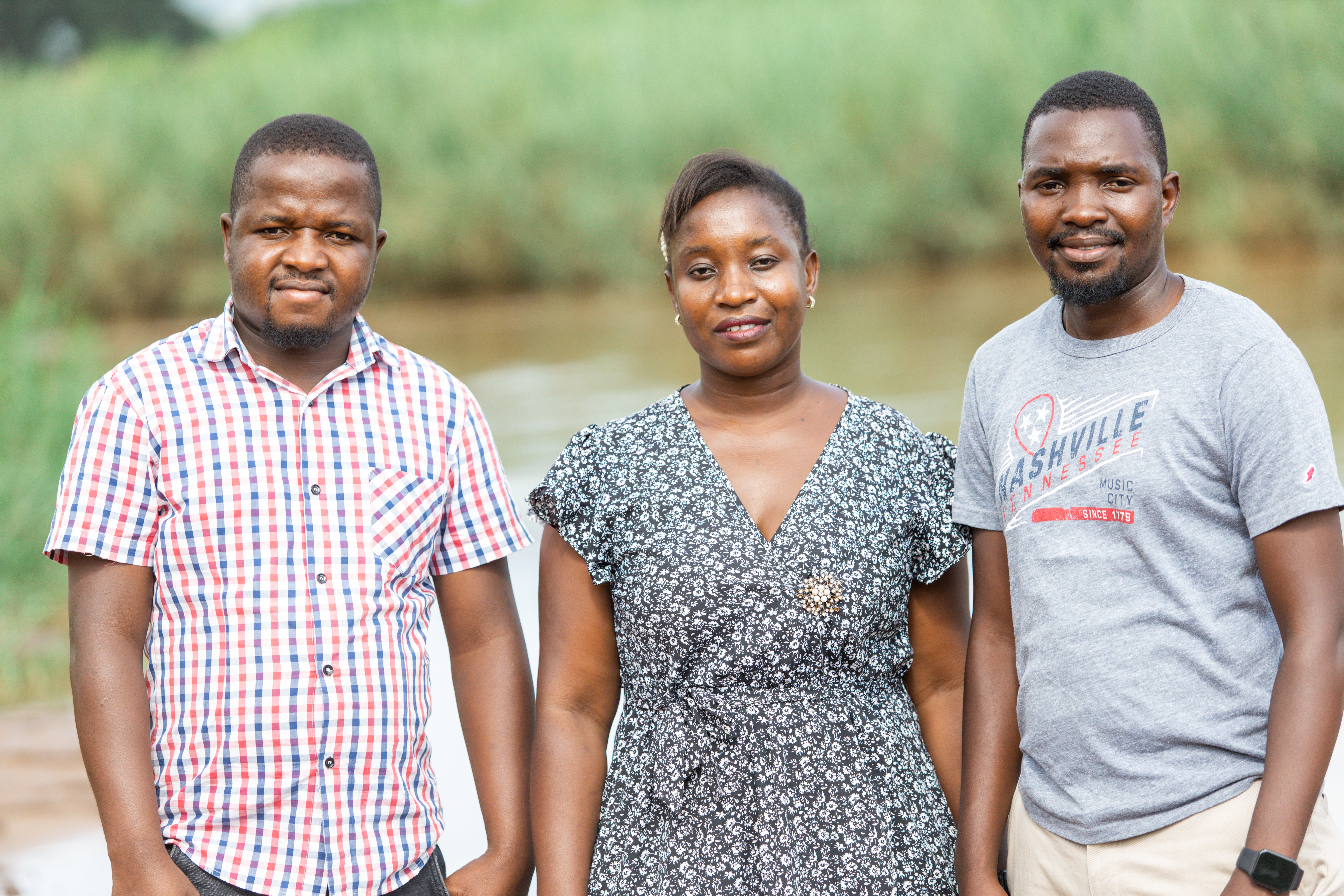
That single condition was the architecture of a trap. Debt owed to the person controlling you is one of the most common mechanisms traffickers use to eliminate any possibility of leaving. Fatu came from a family that couldn't meet basic needs. The promise of real money, enough to actually change something, had been impossible to turn down.
Staff spent four hours with her. They explained what the debt-repayment condition actually meant. They gave her food, called her mother while she was still with them so someone would be waiting when she arrived home, and prayed with her before she left. She said she wanted to find a local church.
She walked into that parking lot looking for a way forward. She left having been pulled back from a trap, and pointed, gently, toward something real.
Akinyi*: The People Traffickers Target Twice | Kenya
And then there is the hardest category to sit with—the people traffickers deliberately target because they have already been broken.
Akinyi* was 14, a girl who had already survived forced labor once. She was being moved again—this time by a recruiter who had offered her domestic work in Nairobi for a wage 50% above the normal rate.
The inflated salary was the lure, and the suspect paid for all her travel. Every element of the first time was present in the second. Our monitors recognized it for what it was: a repeat-victimization pattern. Tragically, here was a girl who had already been exploited being funneled back into the same machinery through a different door.
Traffickers do this on purpose. Someone who has already been in the system is easier to control the second time. The elevated wage was designed to overcome whatever hesitation might have existed. Staff spent time counseling and caring for Akinyi before returning her safely home.
She had already been through it once. This time, someone was watching for her—and she didn't have to go through it again.
The Pattern in Their Own Words
Four stories, four different ages, from four different countries. Traffickers use different deceptions—a promise of a future together, a family connection, a job offer, or a repeat targeting. But the deceit is criminal, and the same moment sits at the center of each one.
The person we intercepted came to see, themselves, what was about to happen. In our field reports, over and over, the same phrase appears: "She came to believe, herself, that she would have been trafficked." It isn't a formula. It's what our monitors have learned to help people see.
In May alone, 1,406 people were intercepted across 18 countries. Multiple suspects were arrested in connection with our work, and others were identified for ongoing investigation. Thousands of data points were collected and analyzed in Searchlight, our custom database, enhancing the efforts of teams on the ground going forward.
The Difference Between Rescue and Prevention
Rescue happens after. But prevention happens in the moment when a lie is close enough to a truth that no one would blame you for believing it. When "he loves me" and "he is trafficking me" look, from the inside, exactly the same.
What our field teams do at bus stations and border crossings and train depots across the world isn't just to stop someone from crossing a line. It's to sit with them long enough—two hours, four hours, twenty-two hours—for the truth to become visible. To help someone see the trap for what it was, in their own words, before they walk into it.
By the time each of these people went home, they didn't just know they had been protected. They understood what they had been protected from.
Standing Behind Every Story Is Someone Who Made It Possible
You cannot be at every bus station or sit with someone for twenty-two hours at a train stop in Bangladesh. But you can make sure someone is there.
When Sita came to see the truth of what was happening to her, it was because a monitor was funded to be there when she arrived. When Fatu was pulled back from that debt trap, it was because someone stayed with her for four hours in a parking lot at dawn. When Akinyi didn't have to survive it twice, it was because someone was watching for her the second time.
Standing behind every one of these moments is a partner who chose to be part of them. This is what your Intercept Partnership actually pays for—not just a rescue, but the presence of someone who will help another person see.
Names have been changed and some locations excluded for privacy and security purposes.

/bimala_feature_blog.webp)




/end_human_trafficking_Rwanda_Tanzania.webp)
/malawi_woman_waterjug.webp)
/young_man_sitting_africa_4.webp)
-1.jpg)



Post a comment